In accordance with the requirements of the Graduate School’s Notice on the 2026 Outstanding Graduate International Exchange Program, the School of Environment at Harbin Institute of Technology (HIT) continued to promote its Outstanding Doctoral Student International Exchange Program in 2026. Organized and supported by the School, a delegation of ten outstanding doctoral students, led by Professor Ang Li, Director of the Department of Environmental Ecology, visited Australia in mid-August 2026 for a series of academic exchanges and discussions on potential research collaborations in the field of Environmental Science and Engineering.
The delegation consisted of Mengran Lv, Xishou Guo, Jinhao Kang, Yifan Chen, Xu Lian, Jialiang Gu, Zonglin Wang, Zihao Liu, Shiyuan Wei, and Wenyang Di. During the visit, the delegation traveled to the University of Adelaide, Queensland University of Technology (QUT), The University of Queensland (UQ), and the Luggage Point Wastewater Treatment Plant, gaining first-hand insights into cutting-edge research, research platform management, technological development, and the integration of research into engineering practice.
I. Adelaide University
The first stop of the delegation was the Adelaide University, one of Australia’s leading research-intensive universities. Founded in 1874, it is the third-oldest university in Australia and a member of the Group of Eight (Go8). Ranked 79th globally in the 2027 QS World University Rankings, the university has produced five Nobel laureates and enjoys an international reputation in areas including biotechnology, communications engineering, and environmental and resource management.
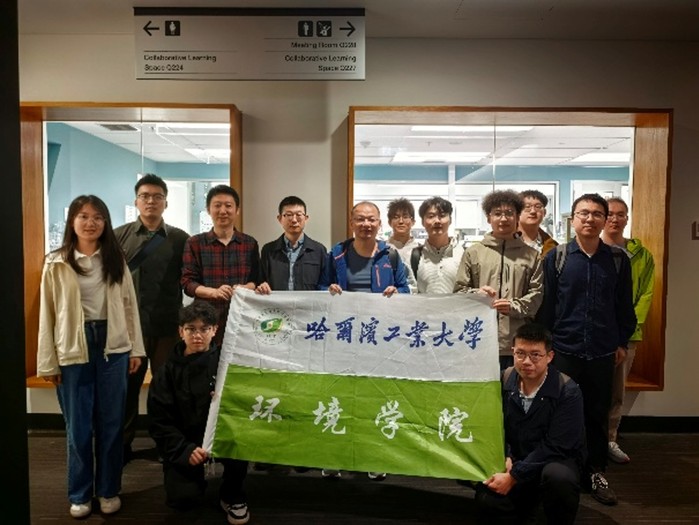
On the morning of August 17, the delegation visited Professor Xiaoguang Duan, an expert in green chemistry and catalysis. The delegation learned about the operation and management of the university’s environmental technology research laboratories and exchanged views on research organization and laboratory development. During a subsequent academic seminar with Professor Duan’s team, both sides discussed recent advances in environmental research, particularly in water treatment, pollutant transformation, and waste valorization. The exchange enhanced mutual understanding and laid a foundation for future academic collaboration.
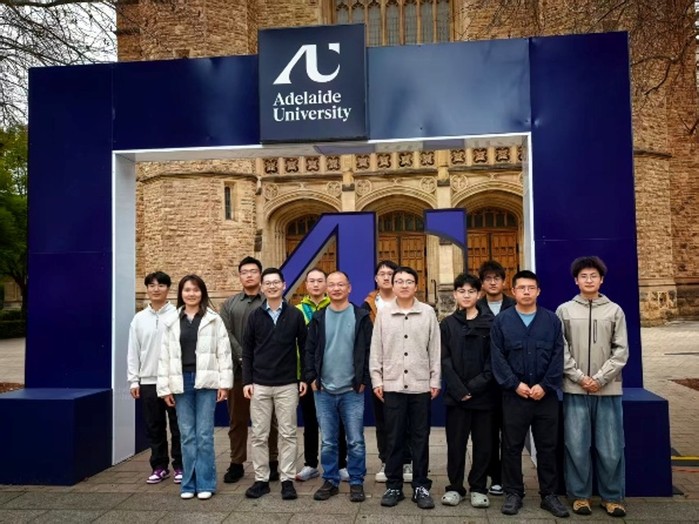
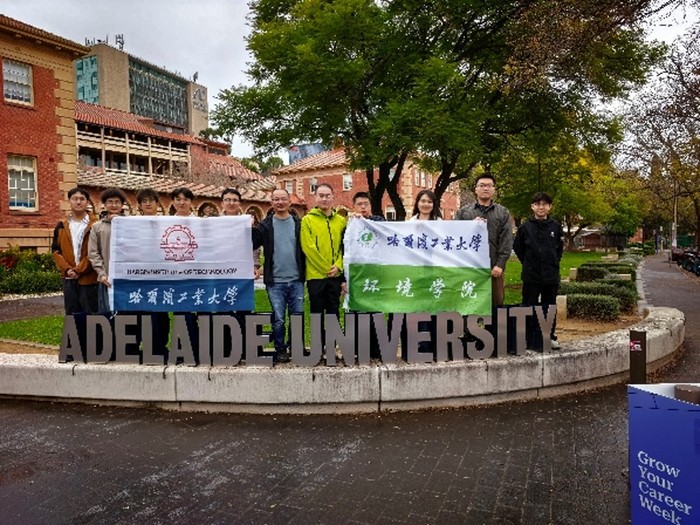
Group photo with Professor Xiaoguang Duan during the visit to the Faculty of Engineering at the University of Adelaide
II. Queensland University of Technology
On the afternoon of August 18, the delegation visited Queensland University of Technology (QUT). Founded in 1908 and located in Brisbane, QUT is a research-oriented public university known for its strong emphasis on practical applications and its close alignment between education, research, and societal and industry needs.
The delegation met with Doctor Jiuling Li, a renowned researcher in urban water systems and environmental biotechnology, and Research Fellow Zhang Lei, a distinguished scholar in anaerobic wastewater treatment and resource recovery. During the meetings, faculty members and students from both sides exchanged views on topics including water quality optimization in urban pipe networks and biological wastewater treatment, sharing recent research progress and technical insights. The delegation subsequently toured the wastewater treatment research laboratory, where they learned about laboratory management and maintenance practices, as well as the design, operation, and maintenance of experimental reactors. The visit provided valuable insights into the standardized management of research laboratories and strengthened the delegation’s understanding of international developments in related research fields, while creating opportunities for future technical exchange and mutual learning.
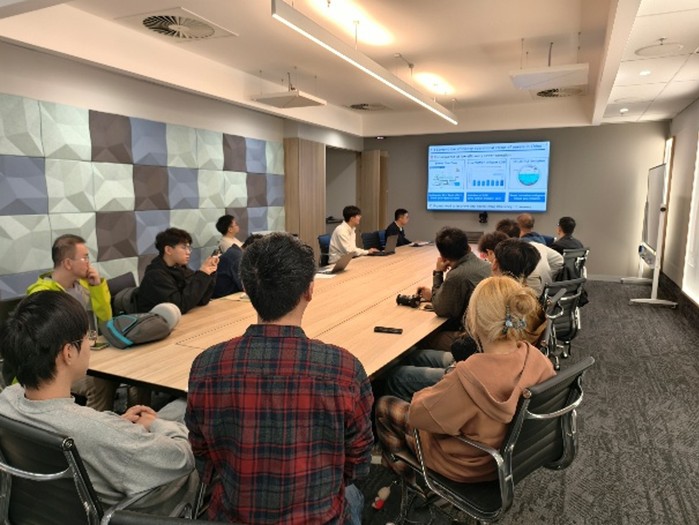
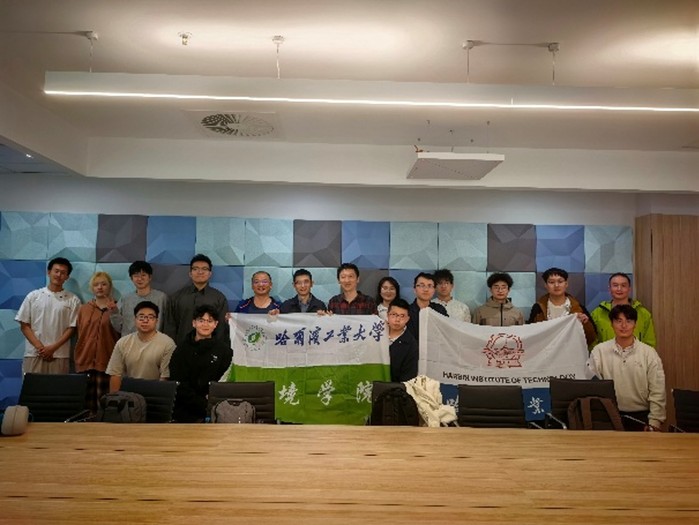
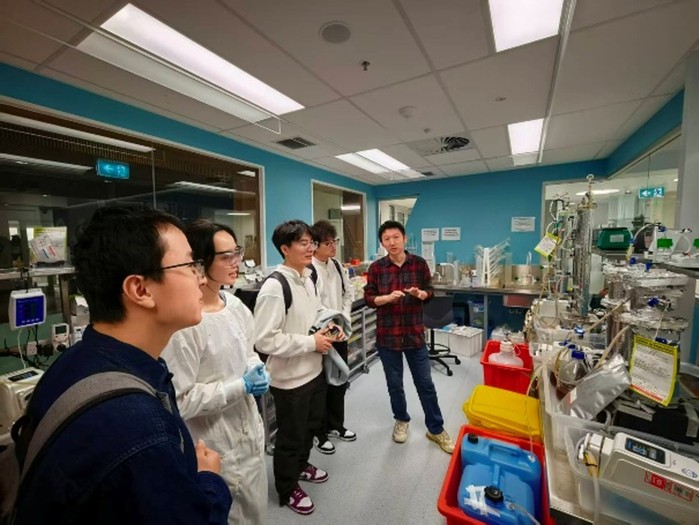
Academic discussions with Jiuling Li and Lei Zhang and a visit to the laboratory at QUT
III. The University of Queensland
On the morning of August 19, the delegation visited The University of Queensland (UQ). Founded in 1909, UQ is the first university established in Queensland and is a member of Australia’s Group of Eight. As one of Australia’s renowned sandstone universities, UQ has achieved a strong international reputation, with environmental science among its highly regarded disciplines.
Professor Jianhua Guo, an internationally recognized environmental engineering scholar, editor of Water Research, and Deputy Director of the Australian Centre for Water and Environmental Technology, introduced the delegation to UQ’s research priorities and achievements in environmental management and pollution control. The delegation then held a thematic research discussion with Professor Guo’s team. The discussion covered a broad range of research topics, including wastewater nitrogen removal, microorganisms involved in gaseous hydrocarbon degradation, intelligent materials design, emerging contaminant remediation, membrane fouling mechanisms, and carbon fixation and acid production. The researchers shared their research experiences and perspectives on scientific problem formulation, research design, and academic writing. The exchange provided valuable guidance for students seeking to strengthen their scientific writing skills and improve their ability to communicate research for international publication.
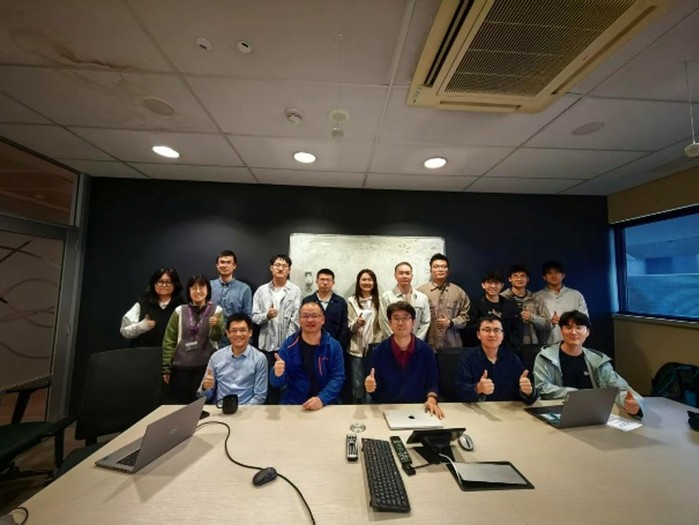
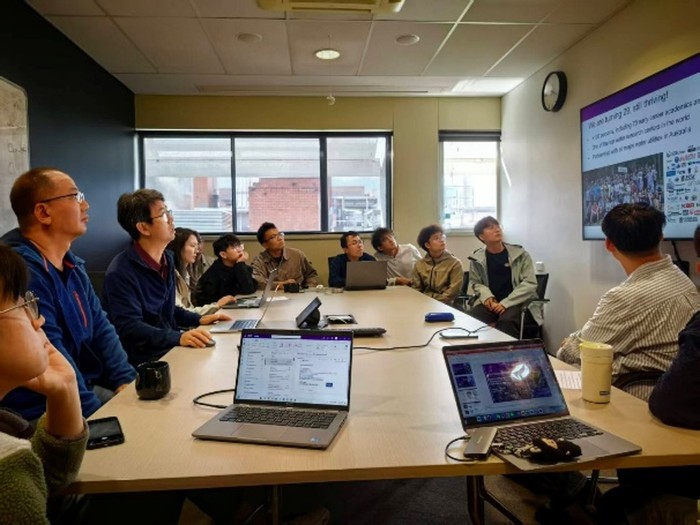
Academic discussions between the delegation and Professor Jianhua Guo’s research team
IV. Luggage Point Wastewater Treatment Plant
In addition to visiting leading Australian universities, the delegation also visited the Luggage Point Wastewater Treatment Plant in Brisbane. Operated by Urban Utilities, the facility is one of the largest wastewater treatment plants in Queensland. It was also among the first facilities in Australia to adopt locally enriched anammox bacteria to address increasing wastewater treatment demands associated with population growth.
Led by Professor Shihu Hu and Research Fellow Zhetai Hu from The University of Queensland, the delegation toured the plant’s central control room, anaerobic digestion facilities, anammox wastewater treatment facilities, and combined partial nitrification–anammox treatment facilities. The delegation also visited pilot-scale research facilities established by UQ at the plant. Through the site visit, faculty members and students gained first-hand knowledge of wastewater treatment plant design and construction, technology development and implementation, plant operation and maintenance, and safety management. The visit also provided a valuable perspective on how wastewater treatment technologies can be adapted to meet real-world water quality requirements and translated from research into practical applications.
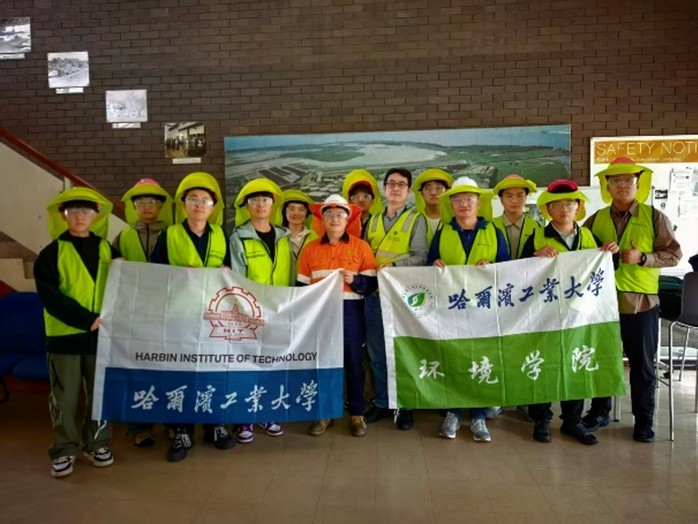
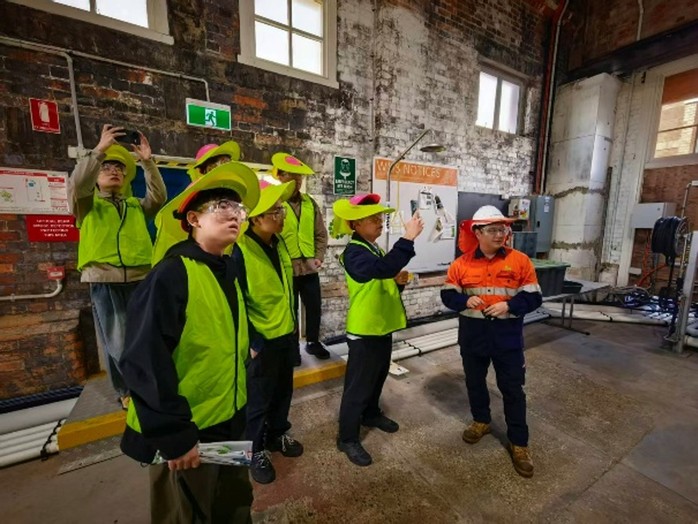
The delegation visits the Luggage Point Wastewater Treatment Plant
With strong support from the Graduate School and careful organization by the School of Environment, the Australian academic exchange program was successfully completed. The visit enabled faculty members and doctoral students to gain a more direct understanding of cutting-edge developments in Environmental Science and Engineering, advanced models for the operation and management of research platforms, and practical experience in translating environmental technologies from research into engineering applications. The program also created new opportunities for future collaboration in joint research, graduate training, and academic exchanges. Professor Li Ang, who led the delegation, said: “Although our visit to Australia was relatively short, it was highly rewarding and packed with valuable insights. We had the opportunity to visit several leading research platforms in the environmental field and gain first-hand experience of their research capabilities and operational models. I hope these experiences will inspire our students to maintain an international perspective and ultimately pursue research that is both practically applicable and internationally competitive.”
Through this exchange, the School of Environment further expanded its international collaboration network in the Asia-Pacific region and strengthened its engagement with leading universities and research teams in Australia. The program also provided strong support for the development of outstanding doctoral students with broader global perspectives, innovative capabilities, and a greater capacity for international academic collaboration.